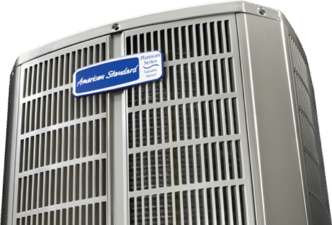
If your electric bill jumped this month and you can’t figure out why, stop scrolling through streaming subscriptions and look up — specifically at your thermostat. In the greater Houston area, air conditioning accounts for the single largest slice of summer energy costs for most households. When something is off with your AC system, you often feel it in your wallet before you feel it in your comfort. Here’s how to tell whether your AC is driving that high electric bill, and what you can actually do about it.
How Your AC Affects Your Electric Bill
Your air conditioner doesn’t run at a fixed cost. It draws power proportional to how hard it’s working. A healthy, well-maintained system cools your home efficiently — reaching the set temperature and cycling off. A struggling system runs longer, works harder, and pulls more electricity every minute it operates.
The math is simple: more runtime equals more kilowatt-hours equals a higher bill. The problem is that a system can be running constantly without ever throwing a visible error code or making an obvious noise. It just quietly drains power — and money — until someone takes a closer look.
Six AC Problems That Show Up on Your Utility Bill First
1. A Dirty or Clogged Air Filter
This is the most common and most preventable cause of AC inefficiency. A clogged filter restricts airflow to the system, forcing the blower to work harder to pull air through. That extra strain increases electricity consumption and, over time, stresses components that are expensive to replace.
In South Texas summers, filters that should be changed every 30–90 days can load up faster than expected — especially in homes with pets, high dust levels, or ongoing renovation work. If you can’t remember the last time you changed your filter, check it today. A gray, compacted filter is costing you money on every cycle.
2. Dirty Evaporator or Condenser Coils
Your AC system has two sets of coils: the evaporator coil inside your home and the condenser coil in the outdoor unit. Both transfer heat — and both need to be clean to do it efficiently. When either coil is coated in dust, grime, or debris, heat transfer is impaired and the system has to run longer to achieve the same result.
Condenser coils in particular take a beating in the Pasadena area. Between cottonwood, pollen, grass clippings, and general outdoor grime, the outdoor unit can accumulate buildup that isn’t visible from the street. A seasonal AC tune-up includes cleaning both sets of coils and restoring efficiency — often with noticeable results on the next billing cycle.
3. Low Refrigerant from a Leak
Refrigerant is the substance your AC uses to absorb heat from inside your home and release it outside. When refrigerant levels drop — almost always due to a leak, not normal consumption — the system loses its ability to cool effectively. It compensates by running longer, which runs up your electric bill, while still delivering less comfort.
Signs of low refrigerant beyond a high bill include ice buildup on the refrigerant lines, warm air from the vents despite the system running, and a hissing or bubbling sound near the indoor unit. Low refrigerant is not a DIY fix — a licensed technician needs to locate and repair the leak before recharging the system. Air Tech of Pasadena holds HVAC license TACLB116317E and handles refrigerant work in full compliance with EPA regulations.
4. A Struggling Compressor
The compressor is the heart of your AC system — and one of its most power-hungry components. When a compressor begins to fail, it often draws significantly more electricity than it should while delivering less cooling capacity. In practical terms, your system runs almost constantly, your home never quite reaches the set temperature, and your bill climbs steadily.
Compressor problems tend to surface during the first serious heat stretch of the year, when demand spikes and aging components get pushed to their limits. If your system is 10 or more years old and your bills have crept up over two or three seasons, the compressor is worth having a technician evaluate. In many cases, a failing compressor at that age makes replacement more economical than repair.
5. An Oversized or Undersized System
This one surprises homeowners who assume bigger is always better. An oversized AC unit cools the home too quickly, short-cycles (turns off before completing a full cooling cycle), and never runs long enough to pull adequate humidity out of the air. You end up with a clammy, uncomfortable home — and the frequent start-up draws that come with short cycling are harder on your electric bill than longer, steady runs.
An undersized unit has the opposite problem: it runs continuously because it can never keep up with the load. Either scenario produces higher bills than a properly sized system would. If your system was installed without a proper load calculation, or if you’ve added square footage since installation, sizing may be a factor worth discussing with a technician.
6. Leaky or Poorly Insulated Ductwork
Your ducts are the delivery system for every dollar your AC spends cooling air. If those ducts have gaps, disconnected joints, or insufficient insulation — particularly in an unconditioned attic — a meaningful percentage of that cooled air never reaches the living space. Studies suggest duct losses can account for 20–30% of a system’s cooling output in homes with compromised ductwork.
Duct issues are often invisible because they’re hidden in walls, ceilings, and attic spaces. Tell-tale signs include rooms that never cool evenly, an AC that runs constantly in hot weather, and — again — an electric bill that doesn’t match your usage habits.
When It’s Not Just the AC
Your AC system is almost always the primary suspect in a high summer electric bill, but it isn’t the only factor. Attic insulation plays a major supporting role — a poorly insulated attic acts like a heat battery, radiating warmth into your living space and forcing your AC to fight an uphill battle all day. If your system checks out mechanically but bills remain high, attic insulation may be the missing piece.
Thermostat behavior and placement also matter. A thermostat in direct sunlight, near a lamp, or in a room that heats faster than the rest of the house will trigger cooling cycles based on a misleading reading — not on actual whole-home conditions.
What to Do When Your Bill Spikes
Start with the filter. Replace it if it’s been more than 30 days in peak season.
Look at the outdoor unit. Make sure it has clear airflow on all sides — no shrubs crowded against it, no debris on top of the unit. Rinse the fins gently with a garden hose if visible grime has accumulated.
Compare your usage, not just your bill. Your electricity statement shows kilowatt-hours used. If your kWh consumption is up significantly over the same month last year, that’s a system efficiency issue. If kWh is flat but the dollar amount is higher, that’s a rate or billing issue — not an AC problem.
Schedule a professional inspection. The items that make the biggest difference — coil condition, refrigerant levels, compressor draw, duct integrity — require proper equipment and licensed expertise to evaluate. A trained technician can pinpoint what a walk-around inspection and a filter swap can’t.
Air Tech of Pasadena has been diagnosing and repairing AC systems across the Houston area since 1989. If your system is due for a look — or if you’re seeing warning signs like warm air, unusual sounds, or a bill that simply doesn’t add up — a professional AC tune-up is the fastest way to get answers and restore efficiency before the worst of the summer heat arrives. Our team will walk you through honest options with no pressure — that’s been our approach since we opened our doors in Pasadena, and it’s why our customers keep calling us back.
Ready to get your system checked out? Learn more about our AC tune-up and maintenance services or call us at (281) 356-0714.

Why Choose Air Tech of Pasadena?
Pasadena’s Reliable Heating, Cooling, Plumbing and Electrical Company

Peace Of Mind Guarantee

30% Utility Savings Guarantee

100% Money Back Guarantee